


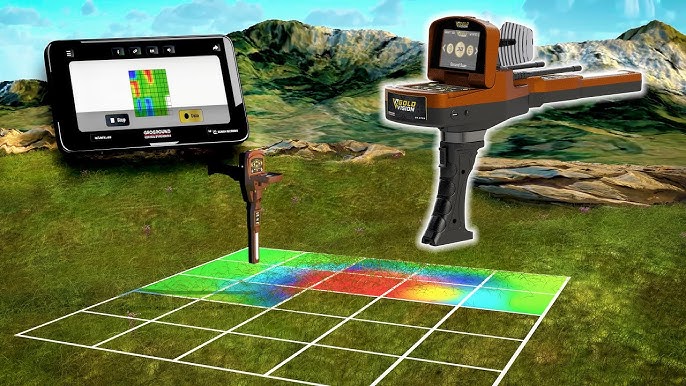
A gold detector is a specialized electronic device designed to locate gold buried underground. It is widely used by hobbyists, treasure hunters, geologists, and professional prospectors to find gold nuggets, gold coins, and other precious metal objects. Unlike standard metal detectors, gold detectors are specifically optimized to detect small gold particles and work efficiently in challenging ground conditions.
With advancements in technology, modern gold detectors have become more accurate, deeper, and easier to use, making gold prospecting accessible to beginners as well as experts.
What Is a Gold Detector?
A gold detector is a type of metal detector that is specially engineered to detect gold, especially small natural gold nuggets that are difficult to find with ordinary metal detectors. Gold has unique electrical properties and often exists in mineral-rich soil, which can interfere with basic detectors. Gold detectors are designed to overcome these challenges.
Gold detectors are commonly used in:
- Gold prospecting and mining
- Treasure hunting
- Archaeological exploration
- Geological surveys
They can detect gold buried at various depths depending on the detector’s technology, coil size, and soil conditions.
How Does a Gold Detector Work?
Gold detectors work based on electromagnetic principles. While different models use different technologies, the basic working process is similar. For anyone looking to explore hidden treasures, a gold detector from this site offers excellent features and reliability.
1. Electromagnetic Signal Transmission
The detector’s search coil emits an electromagnetic field into the ground. When this field encounters a metallic object such as gold, it creates a disturbance in the electromagnetic signal.
2. Signal Response from Gold
Gold, being a conductive metal, reacts to the electromagnetic field by producing a secondary signal. This response is different from other metals, which allows advanced gold detectors to identify gold specifically.
3. Signal Processing
The detector’s control unit processes the returned signal and analyzes its strength, shape, and frequency. This analysis helps the device distinguish gold from other metals and mineralized soil.
4. Alert to the User
When gold is detected, the device alerts the user through audio signals, visual indicators, or digital displays. Stronger signals usually indicate a larger or closer target.
Types of Gold Detector Technologies
1. Very Low Frequency (VLF)
VLF gold detectors are ideal for finding small gold nuggets near the surface. They are lightweight, affordable, and good for beginners. However, they may struggle in highly mineralized soil.
2. Pulse Induction (PI)
PI gold detectors are more powerful and can detect gold at greater depths. They perform exceptionally well in mineral-rich soil, deserts, and saltwater environments, making them popular among professional prospectors.
Advantages of Using a Gold Detector
Using a gold detector offers many benefits for both hobbyists and professionals.
1. High Accuracy in Gold Detection
Gold detectors are designed to specifically identify gold, reducing false signals from iron, rocks, and other metals. This saves time and effort during exploration.
2. Ability to Detect Small Gold Nuggets
Modern gold detectors can locate very small gold particles that are invisible to the naked eye, increasing the chances of successful gold finds.
3. Works in Difficult Ground Conditions
Advanced detectors can operate in mineralized soil, rocky terrain, deserts, and mountainous regions where traditional detectors fail.
4. Time-Saving and Efficient
Instead of digging randomly, a gold detector pinpoints the exact location of gold, making the search process faster and more efficient.
5. Suitable for Beginners and Professionals
Gold detectors come in a wide range of models, from simple beginner-friendly devices to advanced professional machines with customizable settings.
6. Long-Term Investment
Although high-quality gold detectors can be expensive, they often pay for themselves by helping users discover valuable gold over time.
7. Portable and Easy to Use
Most modern gold detectors are lightweight, portable, and battery-powered, allowing users to explore remote areas with ease.
Applications of Gold Detectors
Gold detectors are used in various fields, including:
- Recreational gold prospecting
- Commercial mining operations
- Historical treasure hunting
- Land surveying and research
They are especially popular in regions known for gold deposits, such as deserts, riverbeds, and old mining sites.
Conclusion
A gold detector is a powerful and valuable tool for anyone interested in finding gold underground. By using electromagnetic technology, these devices can accurately detect gold nuggets, coins, and other precious items even in challenging environments. With benefits such as high accuracy, efficiency, and ease of use, gold detectors continue to grow in popularity worldwide.
Whether you are a beginner exploring gold prospecting as a hobby or a professional searching for valuable deposits, investing in a reliable gold detector can significantly increase your chances of success.
