


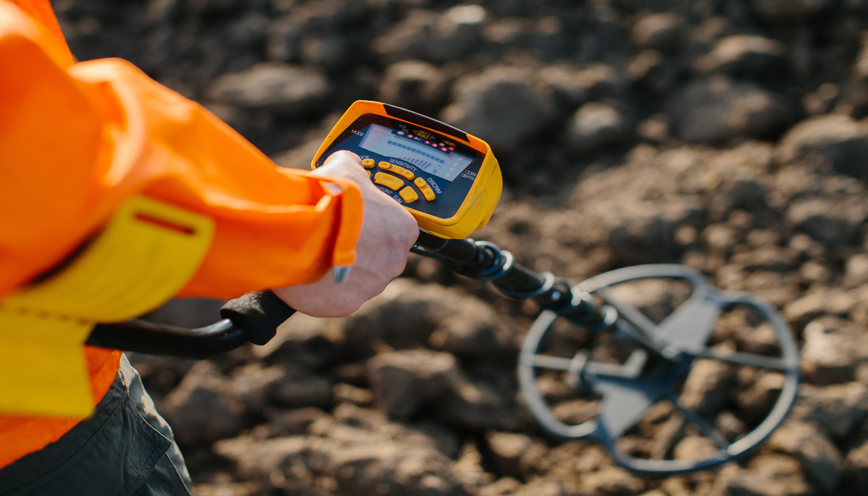
Metal detecting is a thrilling pursuit, whether you’re searching for historical relics or elusive gold nuggets. However, success in the field depends heavily on the right equipment. With so many models available, it’s essential to understand what makes a metal detector effective for specific targets like gold and relics. This guide will help you navigate the world of metal detectors, highlighting key features, types, and tips to maximize your treasure hunting success.
- Understanding the Right Detector for Your Goals
The first step in choosing a metal detector is identifying what you want to find:
- Gold Nuggets: Gold is often found in mineral-rich soils and requires detectors with high sensitivity and Pulse Induction (PI) technology for deeper detection.
- Relics and Historical Artifacts: Relics can vary in size and composition. Detectors with advanced target identification and discrimination help separate valuable metals from trash.
- Coins and Small Artifacts: VLF detectors are excellent for shallow targets like coins but may struggle with deeper treasures or heavily mineralized soils.
- Types of Metal Detectors for Gold and Relics
Modern metal detectors come in several types, each with advantages for specific targets:
- VLF (Very Low Frequency) Detectors: Ideal for beginners and general treasure hunting. They provide accurate target identification but may struggle in mineralized soils.
- Pulse Induction (PI) Detectors: Designed for gold prospecting and challenging terrains, these detectors detect deeply buried objects and work well in mineralized soil.
- Multi-Frequency Detectors: Combine multiple frequencies to detect both small and large targets, improving versatility across various terrains.
- Smart Detectors with 3D Imaging: Provide real-time underground visualization, improving accuracy and reducing unnecessary digging.
- Key Features to Consider
When choosing a metal detector for gold and relics, look for features that enhance precision and efficiency:
- Depth Detection: Ability to locate deeply buried treasures.
- Target Identification: Clear indication of metal type to avoid digging trash metals.
- Soil Adaptability: Automatic ground balancing adjusts to mineralized soils.
- Discrimination Modes: Filters unwanted metals for more efficient hunting.
- Ergonomics: Lightweight and adjustable design for comfortable long sessions. The Vertex metal detector combines precision engineering and smart technology for superior performance.
- Advantages of High-Quality Detectors
Investing in a reliable detector comes with numerous benefits:
- Enhanced Accuracy: Precisely locates gold nuggets and relics.
- Time Efficiency: Reduces wasted effort on trash metals.
- Versatility: Performs well across different terrains and soil types.
- Durable Design: Built to withstand harsh outdoor conditions.
- User-Friendly Operation: Advanced displays and intuitive controls make treasure hunting easier and more enjoyable.
- Tips for Successful Metal Detecting
- Research areas known for historical artifacts or gold deposits.
- Adjust detector settings based on soil conditions.
- Use proper digging tools to avoid damaging relics.
- Regularly calibrate your detector to maintain peak performance.
- Be patient and persistent—treasure hunting requires time and practice.
Finding gold and relics requires more than luck—it demands the right metal detector, knowledge, and technique. By understanding detector types like VLF, PI, and multi-frequency systems, and focusing on features such as depth detection, target identification, and soil adaptability, you can dramatically improve your treasure hunting success.
High-quality detectors not only increase your chances of uncovering valuable finds but also make the process more efficient, enjoyable, and precise. With the right equipment and approach, every outing can bring the thrill of discovery and the satisfaction of uncovering hidden treasures.
