


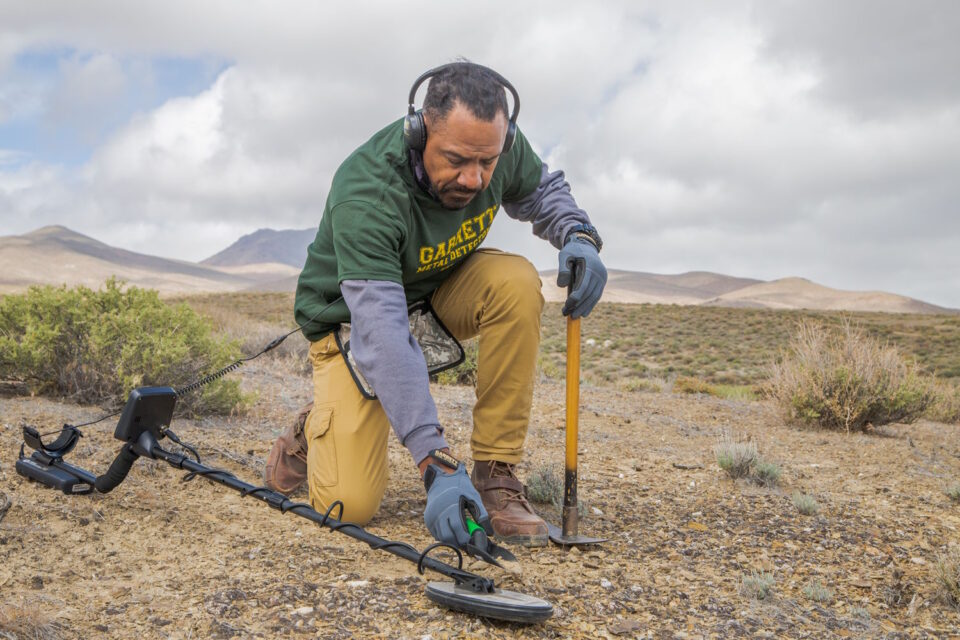
Gold detecting can be an exciting and rewarding activity, but success depends heavily on how well you use your detector. Even the most advanced gold detector machine will not perform at its best if not used properly. Maximizing accuracy is crucial for reducing false signals, improving target identification, and increasing your chances of finding gold.
This article provides expert tips to help you get the most out of your gold detector and includes a comprehensive FAQ section to address common questions beginners and professionals often ask.
Why Accuracy Matters in Gold Detecting
Accuracy in gold detecting ensures you focus your time and effort on real targets rather than digging unnecessary holes. A precise detector setup and technique can:
- Reduce false positives from trash metals or mineralized soils.
- Improve sensitivity to small gold nuggets.
- Save time and energy during long detecting sessions.
- Increase overall success rates in finding gold.
Expert Tips to Maximize Accuracy
1. Choose the Right Gold Detector for Your Terrain
Not all gold detectors perform equally across different terrains. For example, highly mineralized soils often require Pulse Induction (PI) detectors, while Very Low Frequency (VLF) detectors are better for shallow, fine gold in less mineralized areas.
2. Adjust Ground Balance Properly
Ground balance helps your detector ignore signals caused by natural minerals in the soil. Failing to adjust ground balance can result in constant false signals and missed gold targets.
3. Use the Correct Sensitivity Settings
High sensitivity is great for detecting small nuggets, but excessive sensitivity can lead to interference and false alerts. Adjust sensitivity to the specific soil and environmental conditions.
4. Optimize Coil Size for Your Prospecting Area
Larger coils detect deeper targets but may miss tiny nuggets near the surface. Smaller coils are more sensitive to fine gold but have limited depth. Switching coils based on your prospecting goals improves overall accuracy.
5. Sweep the Coil at the Right Speed and Height
Maintain a consistent, slow, and steady sweeping motion while keeping the coil close to the ground. Fast or uneven sweeps can cause signal loss or false readings.
6. Regularly Calibrate and Maintain Your Detector
Keeping your detector in good condition helps maintain accuracy. Clean the coil after every use, check batteries regularly, and update the firmware if applicable.
7. Avoid Detecting in High-Interference Areas
Electrical interference from nearby power lines, Wi-Fi signals, or even other detectors can affect performance. Choosing quieter locations can enhance accuracy.
8. Practice and Learn Your Detector’s Audio and Visual Signals
Each detector has unique tones or visual indicators for different targets. Spend time practicing to distinguish gold signals from other metals to minimize unnecessary digging.
FAQs About Maximizing Accuracy with Your Gold Detector
Q1: How often should I adjust ground balance?
You should adjust the ground balance every time you move to a new location or whenever you notice unusual signal behavior. This ensures your detector is tuned to the soil’s mineral content. The right gold detector is essential to achieve the best results in gold hunting adventures.
Q2: Can I use a single coil for all types of detecting?
While you can use a standard coil for most situations, specialized coils—like larger coils for deep targets and smaller coils for fine gold—enhance accuracy in specific environments.
Q3: Is higher sensitivity always better for detecting gold?
Not necessarily. Extremely high sensitivity can cause excessive noise and false signals, especially in mineralized soils. It is better to find a balanced setting that suits the conditions.
Q4: How close should I keep the coil to the ground?
Keep the coil as close to the ground as possible without scraping it. This improves signal strength and detection depth while avoiding damage to the coil.
Q5: Do I need a premium gold detector to achieve high accuracy?
A premium detector often offers advanced features like better ground balancing and deeper detection, which can improve accuracy. However, even budget-friendly models can perform well when used correctly with proper settings and techniques.
Q6: How can I reduce false signals in mineralized soils?
Reducing false signals involves properly adjusting ground balance, lowering sensitivity if necessary, and choosing the right detector technology (like PI detectors) that handles mineralization better.
Q7: Should I use headphones while detecting for gold?
Yes, headphones can significantly improve accuracy by allowing you to hear faint signals that might be missed in noisy outdoor environments.
Q8: Can weather conditions affect detector accuracy?
Yes, wet soils, humidity, and extreme temperatures can influence how signals travel through the ground. Adjusting sensitivity and ground balance can help minimize these effects.
Q9: How often should I maintain my gold detector?
Routine maintenance after every detecting trip—such as cleaning the coil, checking battery health, and inspecting cables—keeps your detector in peak condition and helps maintain accuracy over time.
Q10: What is the best way to practice using my gold detector?
Practice in a controlled environment by burying test targets like small gold nuggets or coins at different depths. This helps you recognize your detector’s tones and improve accuracy in the field.
Conclusion
Maximizing accuracy with your gold detector is a combination of selecting the right equipment, fine-tuning settings, and developing proper detecting techniques. By following expert tips—such as adjusting ground balance, using the right coil, and practicing regularly—you can dramatically improve your success rate and reduce wasted effort.
The FAQs above address common concerns and provide solutions for both beginners and experienced users. Remember, even the most advanced gold detector requires proper handling and consistent practice to achieve the best results. With time and effort, you can master your machine and enhance your gold detecting adventures.
