


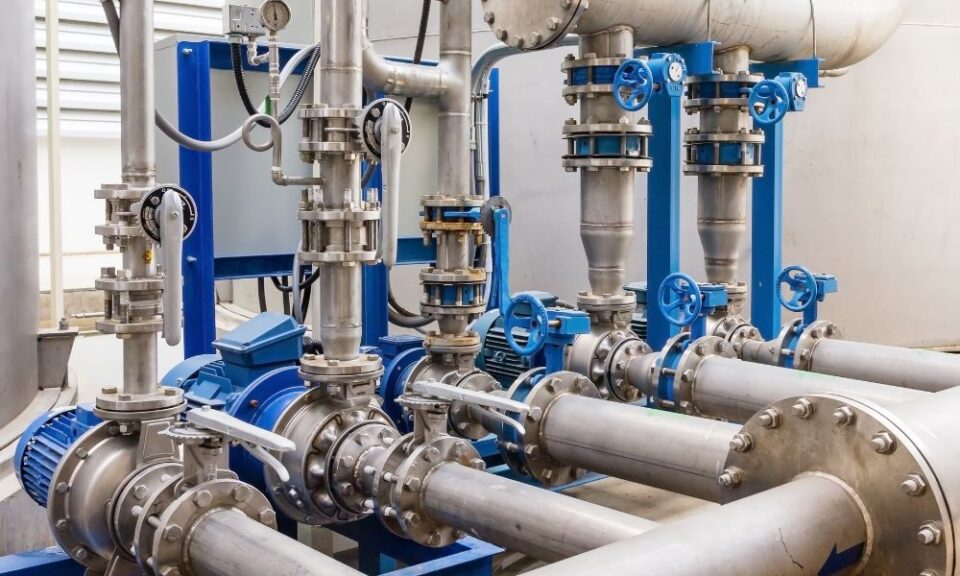
Piping systems are among the most critical components of industrial facilities. They transport liquids, gases, steam, chemicals, and other process fluids between equipment such as pumps, compressors, boilers, heat exchangers, pressure vessels, storage tanks, and reactors. Although piping may appear to be a simple network of interconnected pipes, it is continuously subjected to mechanical, thermal, and environmental forces that can significantly affect its structural integrity.
One of the most common causes of piping failures is thermal expansion. As process temperatures increase, pipes expand, generating forces that can overstress supports, equipment nozzles, flanges, and welded joints. Likewise, seismic events can introduce sudden dynamic loads that challenge the stability of piping systems, especially in industrial facilities located in earthquake-prone regions.
Piping stress analysis is an essential engineering practice that evaluates these loads and ensures that piping systems perform safely throughout their service life. Using advanced engineering software such as CAESAR II and AutoPIPE, engineers simulate operating conditions, identify excessive stresses, and design effective support systems that comply with international standards such as ASME B31.1 and ASME B31.3.
This article answers frequently asked questions about piping stress analysis and explains how it helps prevent failures caused by thermal expansion and seismic loading.
What Is Piping Stress Analysis?
Piping stress analysis is the engineering process of evaluating the mechanical behavior of piping systems under various operating conditions.
The analysis determines whether the piping system can safely withstand:
- Internal pressure
- Dead weight
- Thermal expansion
- Seismic forces
- Wind loads
- Equipment movement
- Dynamic loads
- Fluid hammer
The goal is to ensure long-term safety, reliability, and compliance with engineering codes.
Why Is Piping Stress Analysis Important?
Industrial piping systems experience continuous changes in temperature and pressure.
Without proper engineering analysis, excessive stresses may cause:
- Pipe deformation
- Weld cracking
- Equipment nozzle failures
- Pipe support damage
- Excessive vibration
- Leakage
- Fatigue failure
- Unexpected shutdowns
Professional stress analysis minimizes these risks.
Understanding Thermal Expansion
Every piping material expands when heated.
As temperature increases, the pipe length also increases.
If this movement is restricted, large forces develop that can affect:
- Pumps
- Compressors
- Heat exchangers
- Pressure vessels
- Valves
- Pipe supports
Proper flexibility design allows the piping system to accommodate thermal growth safely.
Understanding Seismic Loads
Earthquakes produce rapid ground movement that generates dynamic forces throughout industrial facilities.
Seismic loading affects:
- Pipe racks
- Pipe supports
- Equipment anchors
- Structural steel
- Flexible joints
- Pressure vessels
Engineers evaluate these forces to ensure piping stability during seismic events.
Engineering Standards
Professional piping stress analysis follows recognized engineering standards.
Common references include:
- ASME B31.1
- ASME B31.3
- ASME Section VIII
- ASCE 7
- API standards
- CSA standards
Compliance ensures consistent engineering quality and regulatory acceptance.
Types of Loads Considered
Engineers evaluate several loading conditions.
Examples include:
- Dead weight
- Internal pressure
- Thermal expansion
- Wind loading
- Seismic loading
- Snow loading
- Fluid hammer
- Relief valve discharge
- Equipment displacement
- Occasional loads
Load combinations are also evaluated.
Pipe Supports
Proper support design plays an important role in piping reliability.
Support types include:
- Anchors
- Guides
- Spring hangers
- Constant supports
- Sliding supports
- Line stops
- Snubbers
Each support controls pipe movement differently.
Expansion Loops
Expansion loops increase piping flexibility.
They absorb thermal movement by allowing controlled deformation within the piping system.
Proper expansion loop design reduces stress on connected equipment.
Equipment Protection
Stress analysis limits loads transferred to:
- Pumps
- Compressors
- Boilers
- Heat exchangers
- Pressure vessels
- Storage tanks
Reducing nozzle loads improves equipment reliability.
Dynamic Analysis
Some systems require dynamic evaluation.
Examples include:
- Steam hammer
- Water hammer
- Earthquakes
- Safety valve discharge
- Compressor pulsation
Dynamic analysis predicts short-duration loading events.
Engineering Software
Modern piping stress analysis commonly uses:
- CAESAR II
- AutoPIPE
These software platforms simulate complex piping behavior under multiple operating conditions. Professional engineers can enhance their expertise through Piping Stress Analysis resources.
Inspection and Validation
Engineering calculations are supported through inspections.
Typical activities include:
- Support verification
- Weld inspection
- Material certification
- Dimensional checks
- Pressure testing
- Field observation
Validation confirms that construction matches the design.
Industrial Applications
Stress analysis is widely used in:
- Power plants
- Chemical plants
- Oil refineries
- LNG terminals
- Mining facilities
- Pharmaceutical plants
- Food processing facilities
- Water treatment plants
Nearly every industrial piping system benefits from engineering evaluation.
Frequently Asked Questions
What is piping stress analysis?
Piping stress analysis is an engineering study that evaluates the mechanical behavior of piping systems under operating conditions such as internal pressure, thermal expansion, equipment movement, seismic forces, wind loads, and dynamic events. The analysis ensures that stresses remain within allowable code limits.
Why is thermal expansion a concern?
As piping systems heat up during operation, pipes expand in length. If this expansion is restricted, large forces can develop that overstress pipes, supports, valves, flanges, pumps, compressors, and pressure vessel nozzles, potentially causing leaks or structural damage.
How does piping stress analysis prevent failures?
Stress analysis identifies excessive stresses before construction or modification begins. Engineers can redesign pipe routing, add expansion loops, relocate supports, install spring hangers, or modify equipment connections to reduce stress and improve system reliability.
What are seismic loads?
Seismic loads are forces generated by earthquake ground motion. These forces cause pipes and equipment to move dynamically, placing additional stresses on supports, anchors, welded joints, and connected equipment.
Why is seismic analysis important for piping systems?
Without proper seismic design, earthquakes can cause pipe failures, support damage, equipment movement, fluid leaks, and extended production shutdowns. Seismic analysis helps engineers design systems capable of safely resisting earthquake forces.
Which engineering standards govern piping stress analysis?
The most commonly used standards include ASME B31.1 for power piping, ASME B31.3 for process piping, ASME Section VIII for pressure vessels, ASCE 7 for structural loading, API standards, and applicable national building codes.
What information is required before performing stress analysis?
Engineers typically require piping layouts, material specifications, operating temperatures, design pressures, insulation weights, valve weights, equipment locations, support details, and expected environmental loading conditions.
What software is commonly used?
Professional engineers frequently use CAESAR II and AutoPIPE because these programs accurately simulate piping behavior under multiple load cases while supporting compliance with recognized engineering standards.
What are pipe supports and why are they important?
Pipe supports carry the weight of the piping system while controlling movement caused by thermal expansion, vibration, wind, and seismic activity. Properly designed supports reduce stress and improve equipment protection.
What is an expansion loop?
An expansion loop is a section of piping intentionally designed to provide flexibility. It absorbs thermal growth by allowing controlled movement, reducing forces transmitted to equipment and supports.
Can stress analysis reduce maintenance costs?
Yes. Properly designed piping systems experience less vibration, lower equipment loads, fewer leaks, and reduced structural fatigue. These improvements decrease maintenance requirements and extend equipment service life.
Is piping stress analysis required for every project?
Not every small piping system requires a detailed stress analysis. However, systems operating at high temperatures, high pressures, long pipe runs, significant thermal expansion, or seismic exposure typically require comprehensive engineering evaluation.
Can existing piping systems be analyzed?
Yes. Existing systems can be evaluated to determine whether modifications, increased operating temperatures, equipment replacements, or process changes introduce unacceptable stresses. This helps engineers identify necessary improvements before failures occur.
How does stress analysis improve plant reliability?
By ensuring that piping systems safely accommodate thermal movement, seismic forces, pressure loads, and equipment displacement, stress analysis reduces failures, minimizes downtime, protects critical equipment, and improves long-term operational reliability.
Best Practices for Successful Piping Stress Analysis
Professional engineering teams generally follow several best practices.
These include:
- Begin stress analysis during the early design stage.
- Use accurate piping layouts and equipment data.
- Verify operating and design temperatures.
- Include all applicable load cases.
- Coordinate piping and structural engineering.
- Design appropriate support systems.
- Limit nozzle loads on connected equipment.
- Review thermal flexibility throughout the system.
- Validate software results with engineering judgment.
- Update the analysis whenever piping modifications are made.
Benefits of Professional Piping Stress Analysis
Well-executed piping stress analysis provides significant advantages.
These benefits include:
- Improved system safety
- Protection of pumps and pressure vessels
- Reduced thermal stress
- Improved seismic resistance
- Lower maintenance costs
- Increased equipment lifespan
- Better code compliance
- Reduced vibration
- Improved operational reliability
- Lower risk of leaks
- Reduced downtime
- Greater long-term plant performance
Future Trends in Piping Stress Engineering
Modern piping engineering continues to evolve through technological innovation.
Current developments include:
- Artificial intelligence-assisted stress analysis
- Digital twin technology
- Automated support optimization
- Cloud-based engineering collaboration
- Real-time structural monitoring
- Machine learning for predictive maintenance
- Three-dimensional integrated plant modeling
- Advanced finite element simulations
- Smart piping monitoring sensors
- Automated engineering code verification
These technologies improve analysis accuracy while reducing engineering time and project costs.
Conclusion
Piping stress analysis is an essential engineering discipline that protects industrial piping systems from failures caused by thermal expansion, seismic loading, pressure, vibration, and other operating conditions. By using advanced engineering software, accurate structural calculations, and internationally recognized design standards, engineers can develop piping systems that operate safely, efficiently, and reliably throughout their service life. Proper stress analysis minimizes equipment loads, reduces maintenance requirements, improves code compliance, and enhances the resilience of industrial facilities. As industrial projects continue to increase in complexity, piping stress analysis remains a critical component of safe, cost-effective, and dependable plant design.
